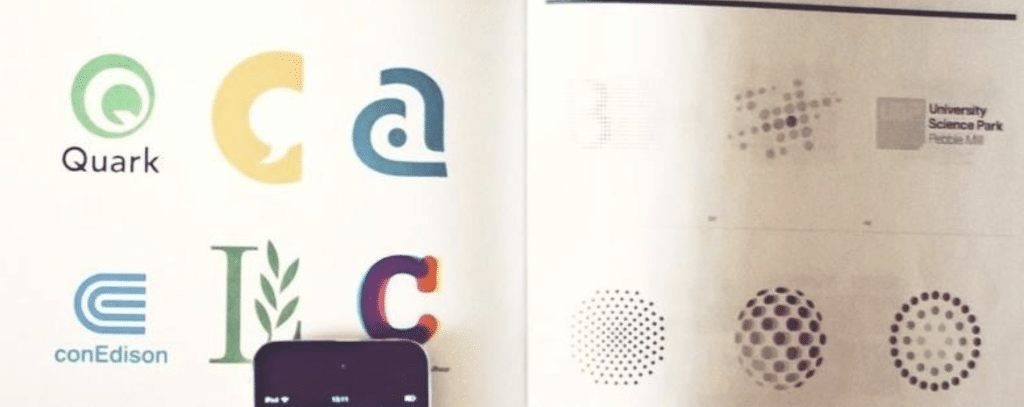
Artists and clients engage in a two-way street when designing potential logos for brands, companies, and other organizations. As designers, there is a need to understand our customers and to know more than just the basic details about them. In turn, if you’re a client, we designers would appreciate it if you’re familiar with our style, and if you do know enough to help you decide if your vision for your logo design is better realized with the artistry that we have as designers.
Collaboration
For the curious, here’s what the process of collaboration is like between a designer and client working to come up with a fantastic and fitting logo or design, so to speak. If it is your first time to call on an artist for his or her take on your logo vision, then know that it takes a lot of communication on top of skill and talent to come up with a design that delivers. Designers may not necessarily agree on this process, as there is really no single approach to it, but here is an outline of what, more or less, happens in the course of designing a logo.
First off, we should all understand that any process of creating art is not something we can just replicate anytime anywhere. There are no guidelines, no standards, methods, or rulebooks for us to follow on the road to a successful collaboration. In any case, art remains an art even when we also involve it in business transactions. Every partnership and design experience are unique for both client and designer, even if we can pick up certain similarities. However, to come up with an output that will please our customers, which inevitably makes us happy as well, will depend on the following basic steps, which we based on the parallels and general practices we have observed from the number of design services we have provided in the past.
The Design Brief
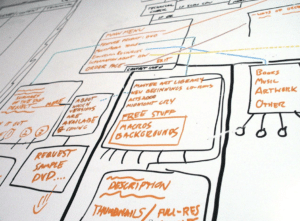
In any transaction, the primary step is for designers to come up with questions and instructions that will outline what our client aims to accomplish at the end of a project. So to begin any planning, proper and clear communication between both parties must ensue. As designers, we must be able to ask the right questions to get the right information we need from our clients. In turn, we’d prefer our customers to be knowledgeable enough to clearly explain what their intended logo design if for, what their business and its identity is all about, what their target market is, and what kind of image or personality do they want people to link to their brand. The answers to these questions are the kind of necessary information we’d want to bring about from our clients. The information will also help us know where to draw inspiration from and to guide us on how to go about with the design.
After arriving at a design brief, we can now decide whether we would proceed with the project or not. Clients may also take the time here to weigh things over and see if they’re on the same vantage point as the designers when it comes to the vision for the logo. If both client and designer agree to take on the project, then the next critical step is to research.
Taking it Further with Research

Think and Design

This next fundamental step takes up most of the design design process. It is now time for us logo designers to use the information we gathered prior this step. We might use the design brief together with the research information, or we might set them aside for a while as we look around for inspiration from perhaps something as ordinary as a stone or as amazing as an iris reflecting the universe.
This, however, is not necessarily the time for us to hide away and seclude ourselves in our workspace. This is also a time for us to keep communication with our clients open so we can update them with our design. It is going to be beneficial for both designer and client when we communicate with each other to check on the design, and if it’s going according to how our client envisioned. This will also keep us from finishing work that doesn’t deliver our client’s specifications. After the actual design part, we move to the next step, which is getting feedback.
Fuel the Logo Design with Feedback

Constructive criticism is crucial, especially for results based on customer preferences. Following earlier steps should prevent major issues. Changes should be minor, leading to project completion soon. Without feedback, client dissatisfaction may bring more challenges. Constant communication and feedback prevent frustrations and difficulties. There’s no standard time for designer-client agreement on the final output.
A Logo is born